.svg)


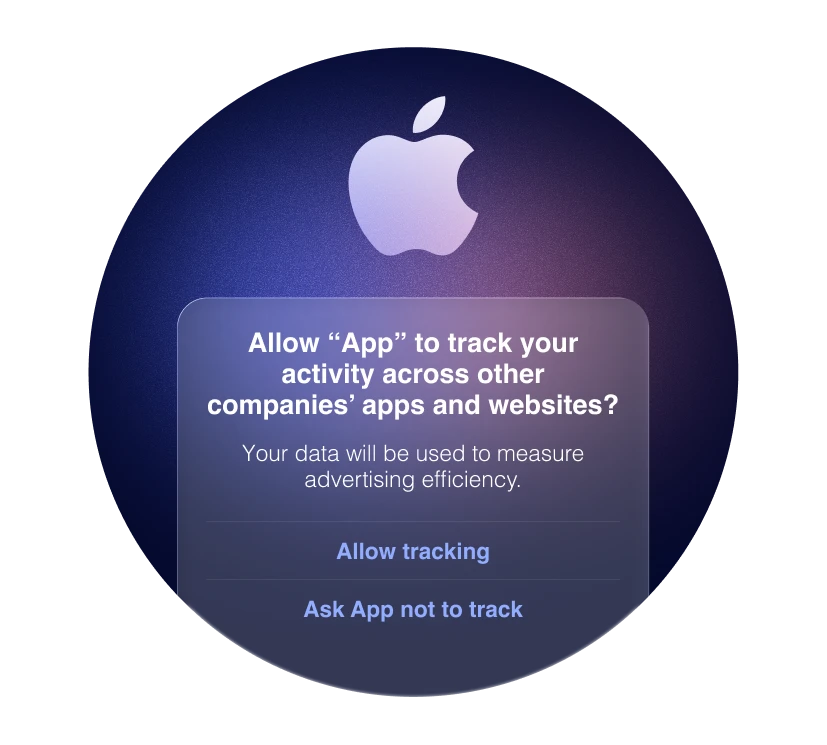


Apple recently announced upcoming changes to its App Tracking Transparency (ATT) framework, an initiative launched in 2021 that allowed Apple device owners to control how developers collect and use their data.
After a decision by Germany's Bundeskartellamt, or Federal Cartel Office (FCO), the country's competition authority, Apple has committed to redesigning the framework in the coming months. The ruling addressed concerns that Apple treated its own apps more favorably than third-party apps, giving its services a competitive advantage in how it requested consent.
This article covers the essential facts, including what Apple ATT is, what's changing, and how we, as a Consent Management Platform (CMP) provider, will help our clients adjust.
What is Apple ATT, and what are the 2026 updates about?
Since 2021, ATT has required apps to ask for permission before tracking a user's activity across other companies' apps and websites for personalized advertising. When a user declines, the app loses access to the device's advertising identifier (IDFA), which limits targeting and measurement.
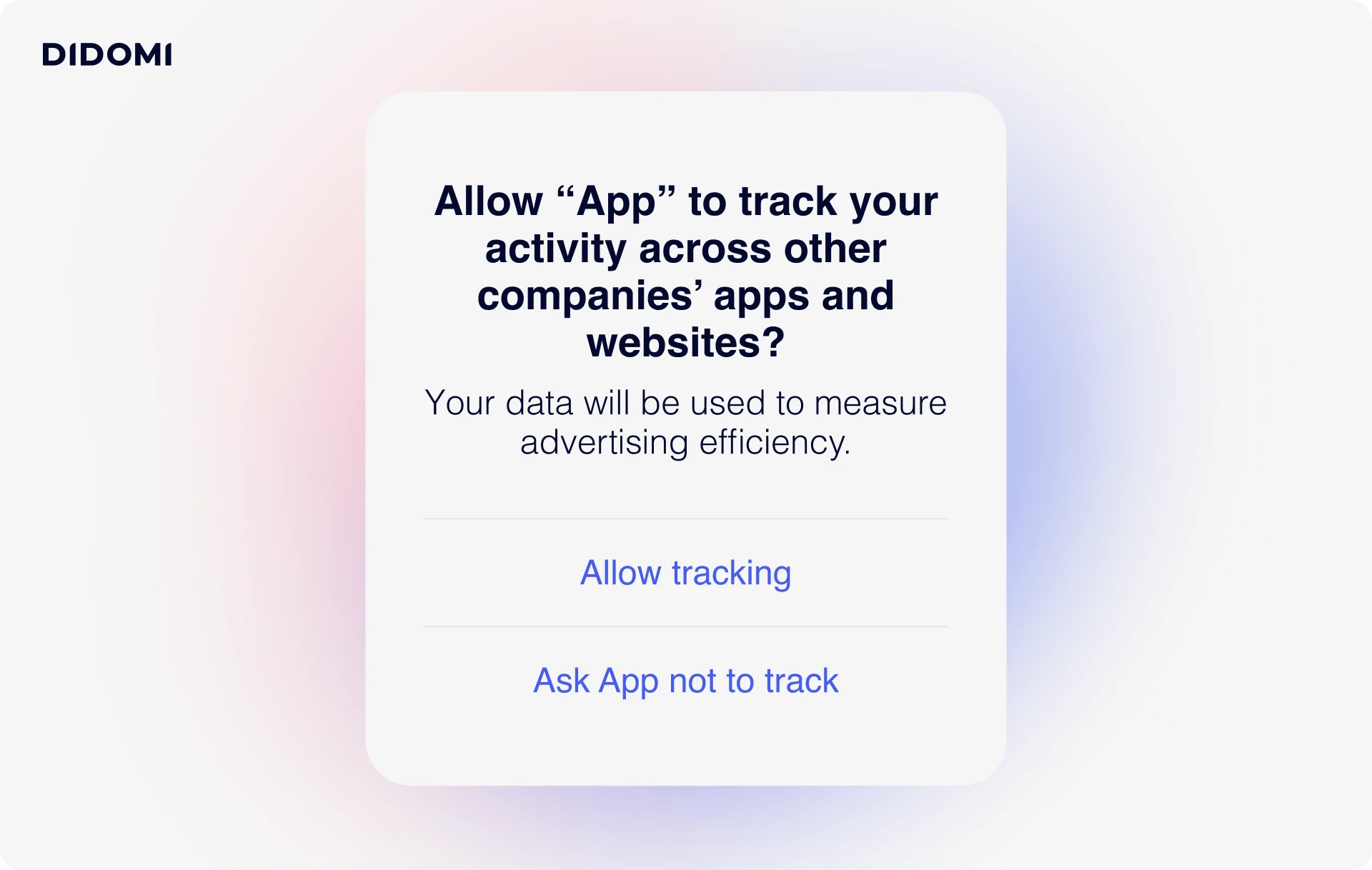
The 2026 changes stem from an antitrust case in which the FCO found that Apple designed different consent experiences for its own services and third-party apps, and that the wording and design of the third-party prompt discouraged users from opting in.
It is key that personal data and privacy are protected effectively when using apps. Apple is allowed to provide for a level of protection for its users that exceeds the minimum legal requirements. However, if Apple sets up additional rules within its ecosystem for the use of data, these rules must, under Germany’s special abuse provision for large digital companies, not treat its own offerings better than those of its competitors. This is precisely where our competition concerns arose. Apple will now align the consent requests much more closely and give third-party app providers more freedom to combine the necessary requests in a sensible way.
- Andreas Mundt, President of the Bundeskartellamt (source: Apple changes its rules for personalised advertising in apps, Bundeskartellamt)
From its side, Apple has agreed to a set of binding commitments to bring the two closer together:
While we believe the current ATT prompt provides a clear, easy-to-understand and effective way to keep users in control of their data – an opinion shared by the German data protection authorities – we have agreed to make changes to the text and formatting of the prompt at the FCO's request.
- Apple Spokesperson (source: Apple to change app data consent rules, German regulator says, Reuters)
The commitments are binding for seven years and apply following the FCO's decision. For most businesses, the practical effect matters more than the legal detail, so here is what changes.
What does it mean for your organization?
Essentially, Apple will aim to bring the consent prompts for its own apps and third-party apps much closer together.
This includes removing any influencing UX elements (discouraging symbols and wording in the third-party prompts) and updating the design to be neutral in content, wording, and layout. Publishers will also get more room to combine Apple's request with the consent they already collect under data protection law, instead of asking twice.
This decision rebalances the ATT prompt by removing discouraging elements and enforcing neutral design and UX best practices, which will likely increase opt-in rates.
- Thomas Adhumeau, Chief Privacy Officer at Didomi
This also strengthens Didomi’s role, as Consent Management Platforms (CMP) will be instrumental in orchestrating consent across frameworks, bringing GDPR and ATT choices together into a single, coherent experience.
Potential technical challenges that we’re working through
Coupling the CMP with the ATT prompt is possible, but Apple has not yet published the technical details, in particular how a granular choice made in the CMP is signaled back to Apple to release the IDFA.
Some open questions remain, which we will be working through and addressing in the coming weeks:
- How the CMP and the prompt interact
- How to map Transparency and Consent Framework (TCF) purposes to the ATT scope
- How to handle re-consent within the 12-month window Apple has described.
As of today, the key message is that if you’re a Didomi customer, you don't need to do anything right now. We'll adapt our solution ahead of that timeline and give every client advance notice.
What happens next
The changes come from the German ruling, and Apple has said they will apply in almost all EU countries. Rollout will depend on the company and is expected to take around four months, following a testing phase with developers.
In the meantime, we're working with industry associations, including IAB Europe and the European CMP Association, to shape the technical specification alongside Apple and push for a durable, harmonized solution.
We'll keep this article updated as the details come out, and will give our clients advance notice before anything changes. Follow the our blog and LinkedIn page for updates:
{{follow-didomi-on-linkedin}}
Frequently Asked Questions (FAQ) about Apple ATT
Where will the Apple ATT updates apply?
The changes stem from a decision by Germany's competition authority (Bundeskartellamt or FCO), but will apply to almost all EU countries, although a full list has not been published yet.
When will the changes take effect?
The FCO announced the decision on August 17, 2026, giving Apple four months to implement the changes following a testing phase.
Why is Apple changing ATT?
Although Apple maintains that its ATT framework complies with competition law, it has committed to updating it in response to the FCO’s assessment that its design currently allows different consent requests for its own apps than for third-party apps.
What is the difference between ATT and consent under the GDPR?
ATT and the GDPR are two separate requirements that apply at the same time. ATT is Apple’s permission prompt, which controls access to a device’s advertising identifier (IDFA), while the GDPR makes consent a legal requirement to process personal data for advertising purposes.
Does this mean I no longer need user consent for tracking?
No. The changes to ATT don't affect your obligations under data protection law. You still need a valid lawful basis for personalized advertising.
Do I need to do anything as a Didomi customer?
Not right now. The rollout related to ATT changes depends on Apple’s timeline, and we will adjust ahead of time as details emerge.
Will Didomi's CMP support the new ATT flow?
Yes. Our CMP is designed to orchestrate consent into a single, cohesive experience. We are working through the technical details as Apple finalizes the specification and will update our documentation accordingly.