

CONSENT MANAGEMENT PLATFORM (CMP)
Opt for better consent management. Everywhere you do business.
CONSENT MANAGEMENT PLATFORM (CMP)
Opt for better consent management. Everywhere you do business.

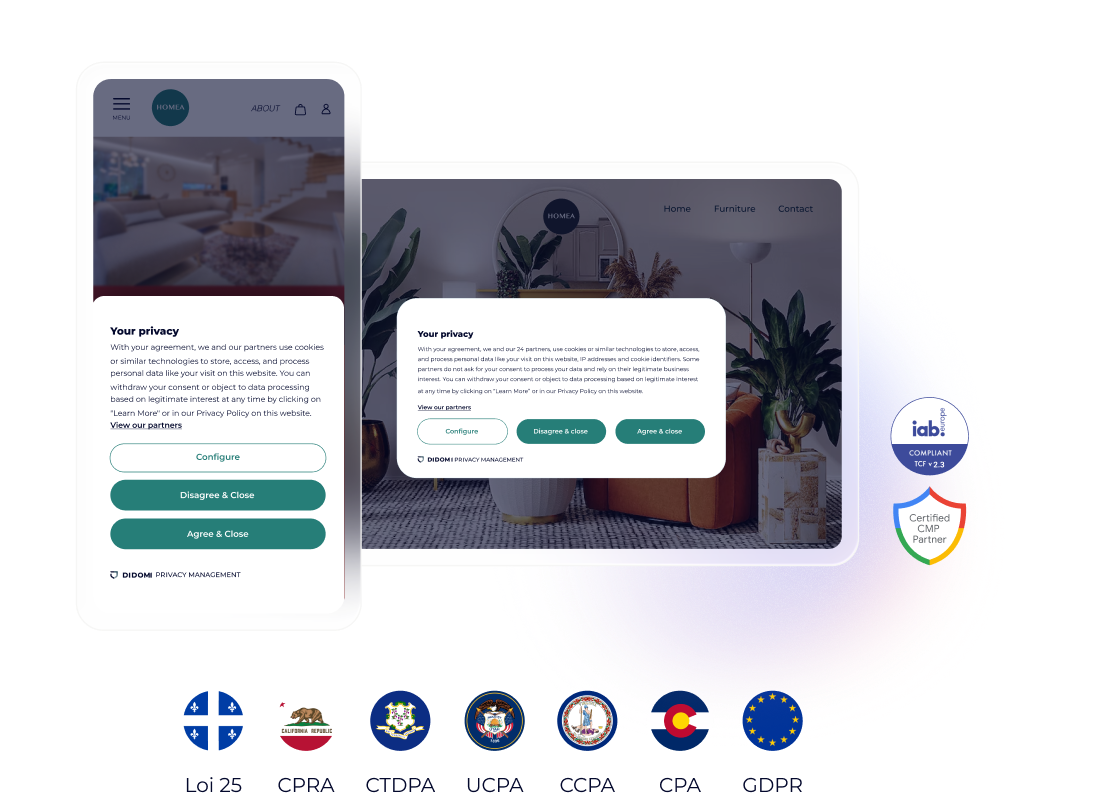


Why companies opt for betterconsent management with Didomi











What is a consent management platform (CMP)?
How a CMP works:
1. Scan
2. Display
3. Record
4. Enforce
Make the switch to better consent management. Even for the most complex environments and use cases.
Opt for better compliance, across every market and privacy regulation
Gartner predicted that by the end of 2024, 75% of the world’s population would have its personal data covered by modern privacy regulations.75% of the global population will soon have its personal data covered under privacy regulations. (*Gartner)
Privacy regulation is multiplying on every continent. In the US, 20+ states now have comprehensive privacy laws on the books, CCPA/CPRA, VCDPA, CTDPA, CPA, and more every quarter. Across the rest of the world, GDPR, Quebec Law 25, LGPD, and PIPA continue to evolve.
Didomi helps you meet consent requirements across all of them, wherever your customers are.
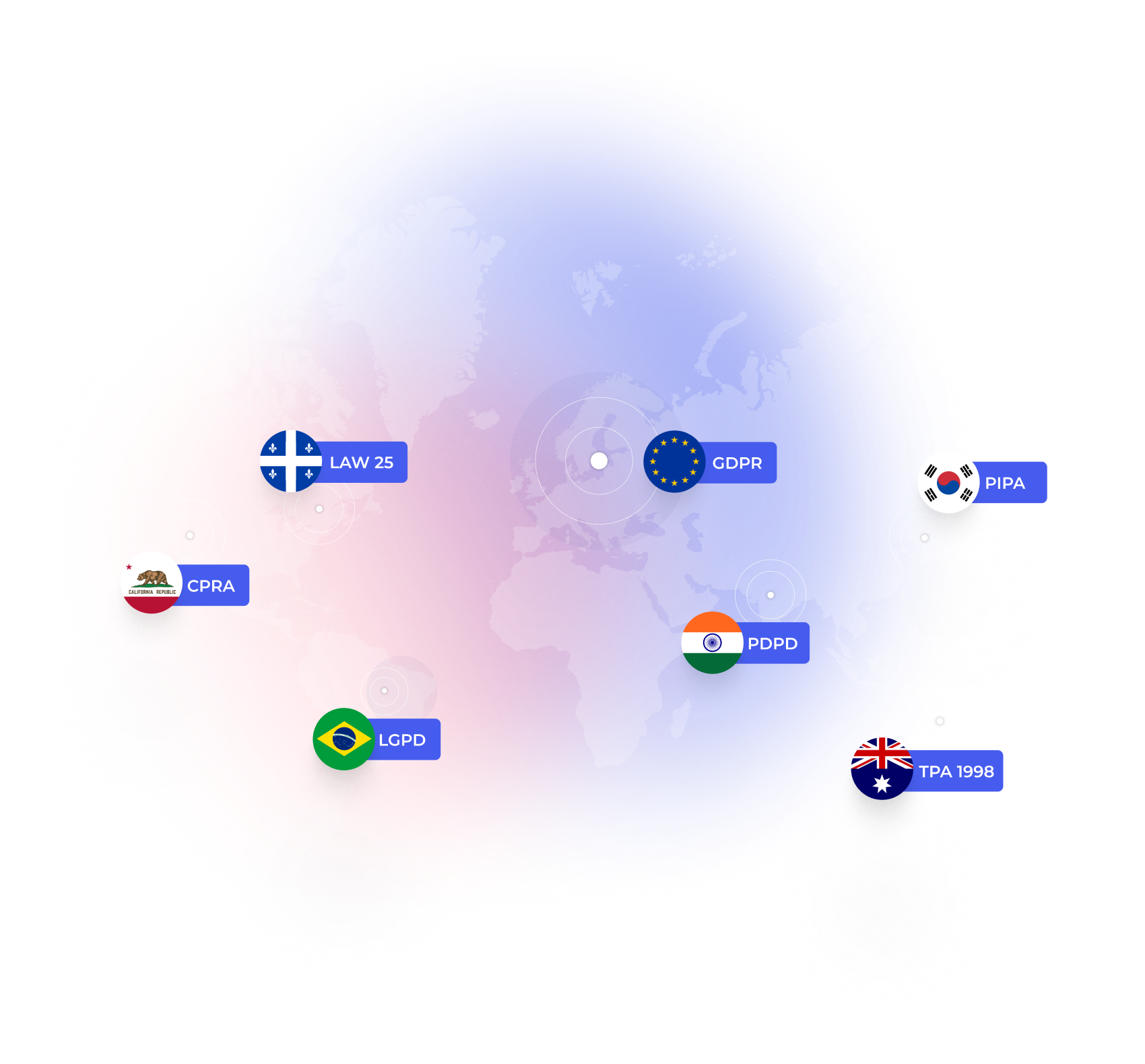
Opt for better coverage
One CMP for every regulation, every region, every framework
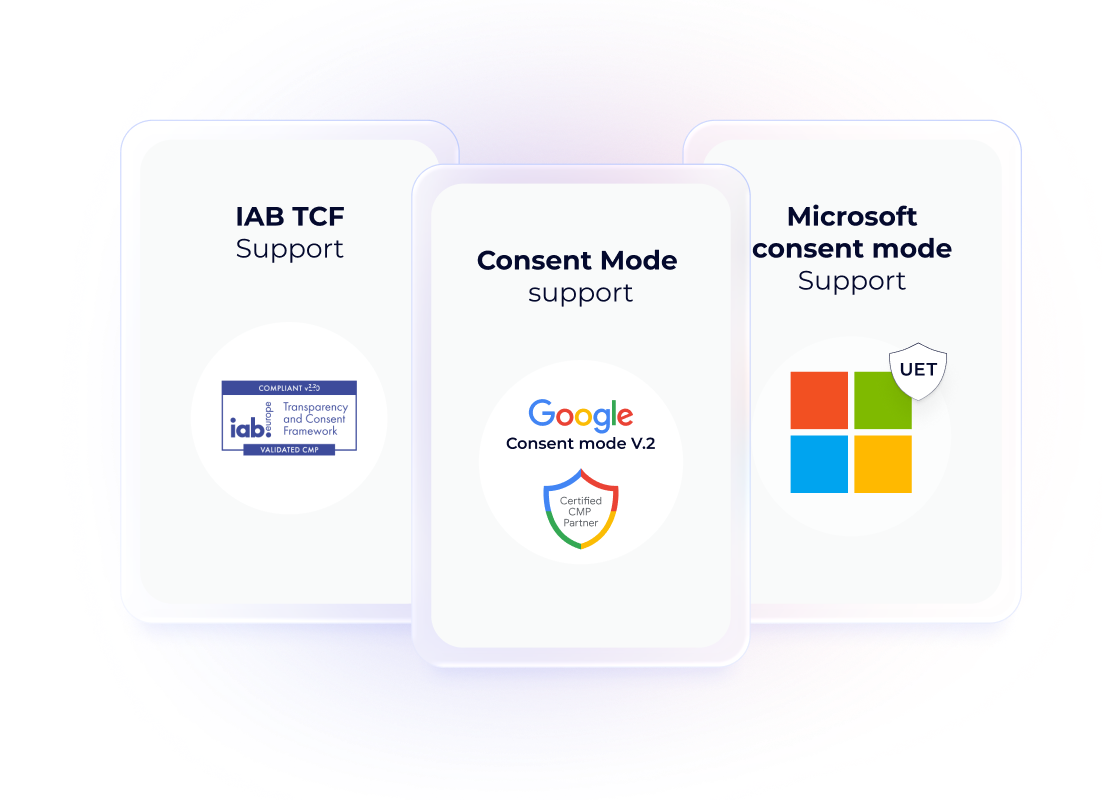
Display the right consent experience based on user location, with geo-targeting managed directly from the Didomi console. Stay aligned with every major industry standard, IAB TCF v2.4, GPP, Google Consent Mode v2, Microsoft UET Consent Mode, and AWS Consent Mode, all kept in lockstep with the latest specs by our compliance team.
Opt for better user experience
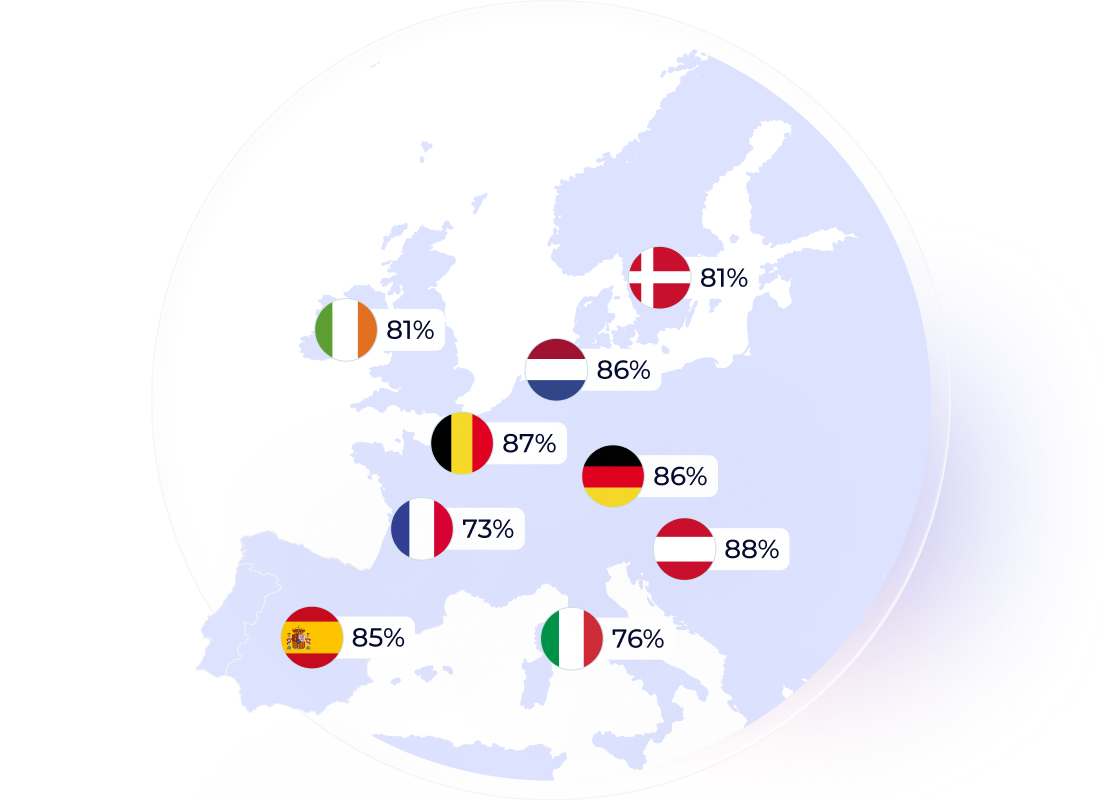
Higher opt-ins, on-brand consent, in 45+ languages
Create unique, on-brand consent experiences that fit the regulation, the region, and the moment. Display the right banner, in the right language, to the right user, and respect Global Privacy Control (GPC) signals automatically so users never have to declare their preferences twice. Better UX, higher opt-in rates, fewer drop-offs.
Opt for better collaboration
A platform your marketing, legal, and engineering teams can actually share
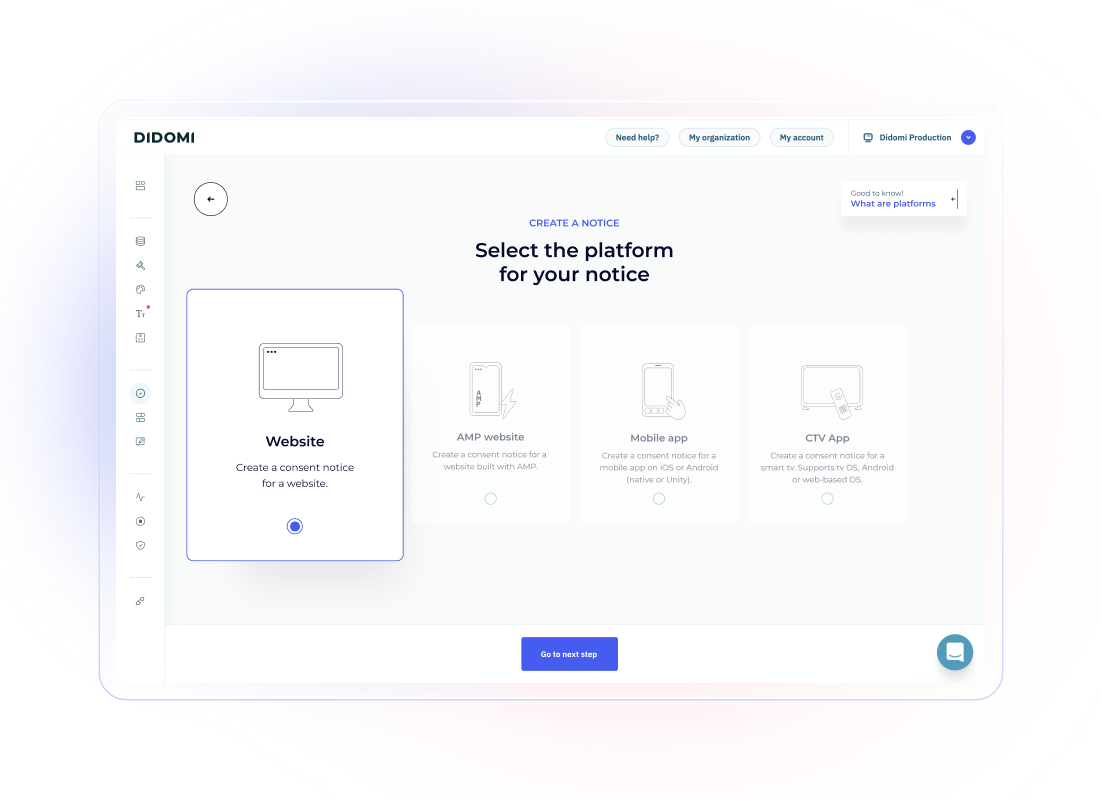
Didomi's UI-based console was built so anyone on your team can create and manage consent notices, not just developers. Marketing ships campaigns, legal reviews compliance, IT integrates the SDK, and everyone works from the same source of truth. Developer documentation and APIs are there when your power users want to go deeper.
Opt for better insight
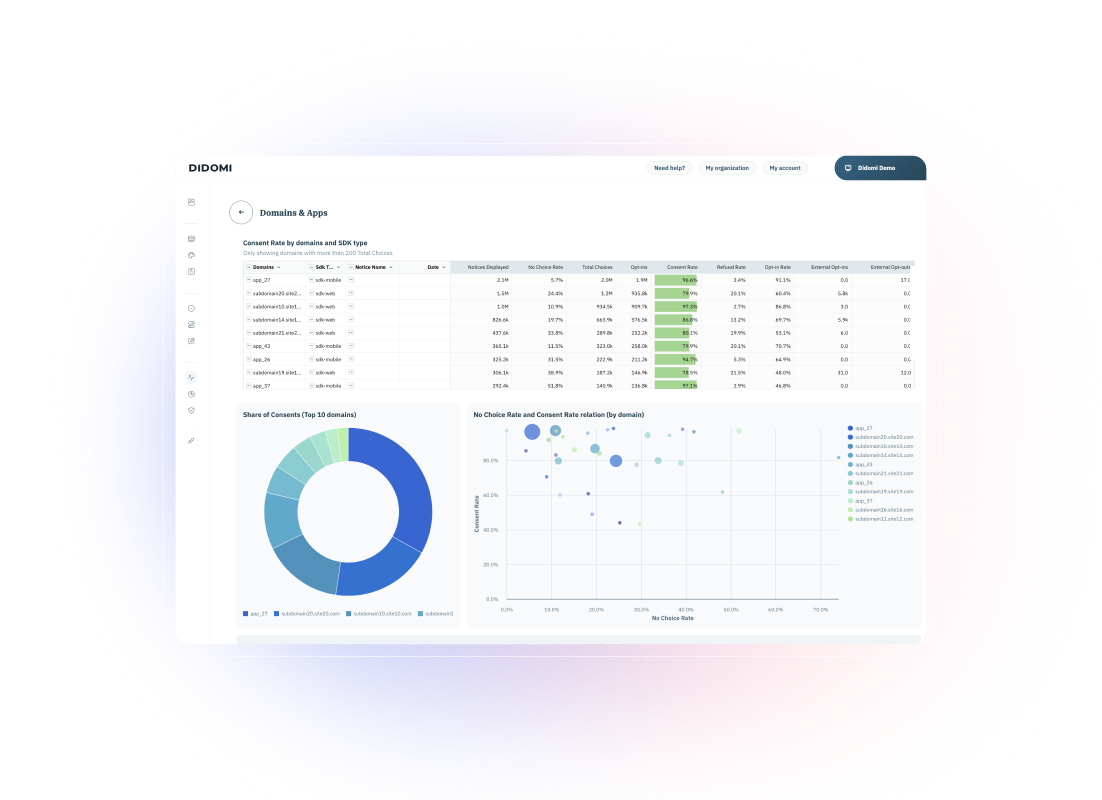
The metrics you need to turn consent into a growth lever
Monitor opt-in rates, banner performance, and regional compliance health from a single analytics dashboard. Run A/B tests to refine your banners over time and quantify the impact of every change. Turn consent data into a continuous improvement loop, and into board-ready reporting.
Opt for better proof
A defensible compliance record, every time you're asked
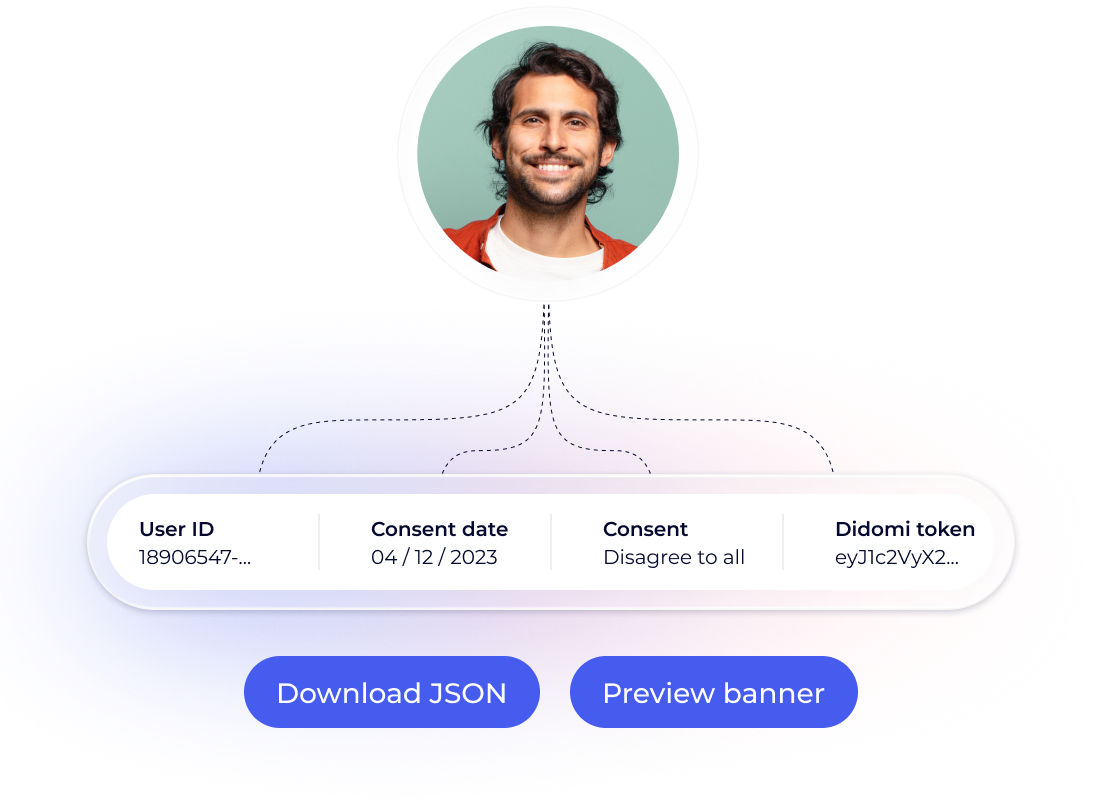
Capture, version, and retrieve every consent event across devices and platforms. Your privacy and legal teams can pull the exact UI a user agreed to, on any date, meeting audit requests, regulator inquiries, and DSAR obligations without scrambling. And our cross-device feature unifies consent so users only have to make their choice once.

Switch CMPs without the disruption
Migration is where most CMP projects stall, so we built a process designed to avoid it. Our 4-step framework preserves your existing consent records, maps your current vendors and purposes into Didomi, and runs in parallel with your live setup so compliance never lapses. A dedicated solutions architect works alongside your team from kickoff to go-live.