

CCPA compliance
How to Meet California’s Consumer Privacy Act Requirements
CCPA compliance
How to Meet California’s Consumer Privacy Act Requirements

Trusted by thousands of companies worldwide








Why CPRA changes everything
The compliance burden has grown exponentially
The California Privacy Rights Act (CPRA) has turned CCPA compliance into a new kind of challenge.
Compliance Tips
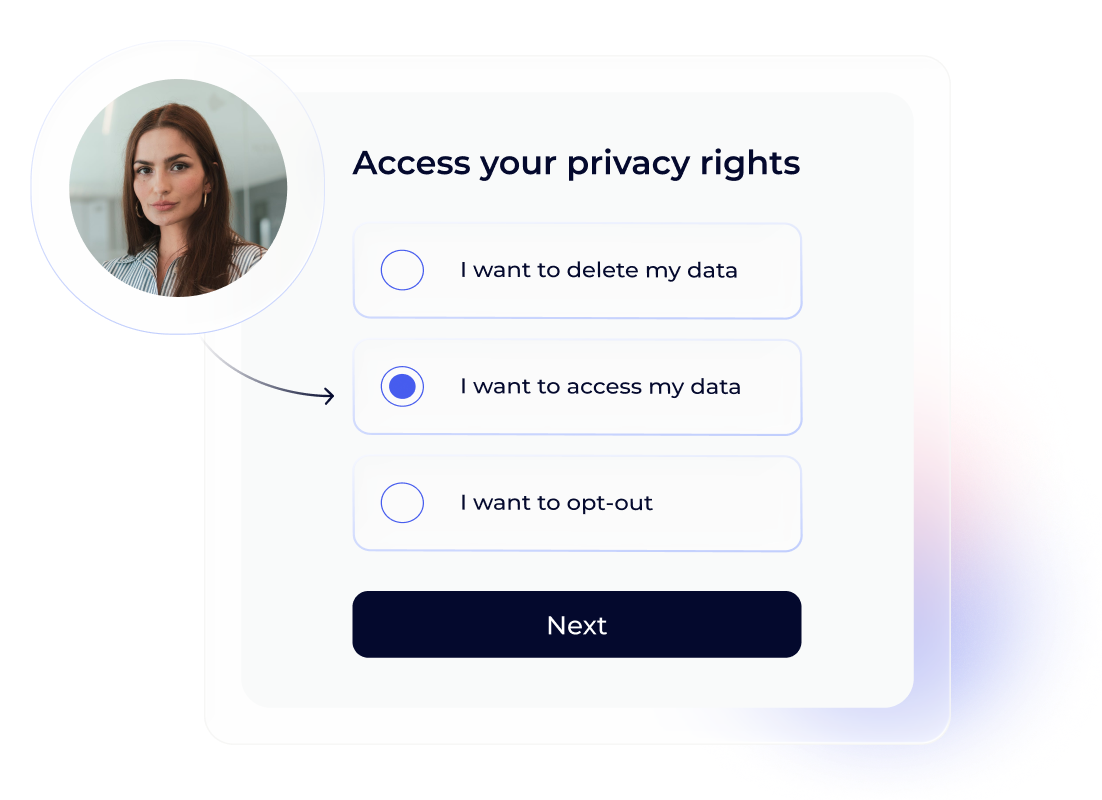
• Give consumers opt-out rights for the sale or sharing of personal and sensitive information.
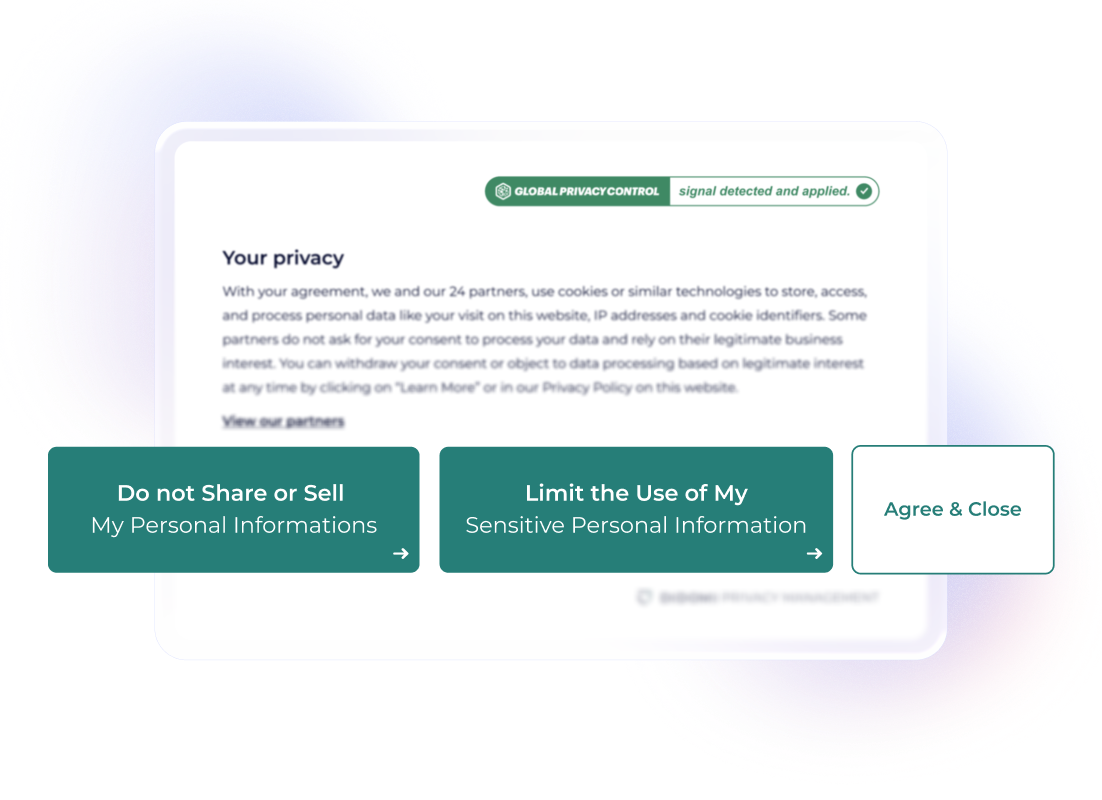
• Display new “Do Not Sell or Share My Personal Information” and “Limit the Use of My Sensitive PI” links.
• Notify users of data-retention periods and allow correction, deletion, and portability requests.
• Respect Global Privacy Control (GPC) signals and document every consent.
• Each of these new rules adds operational complexity and legal exposure.
What are the CCPA penalties for non compliance?
• Fines per resident affected can reach $7,500 for intentional violations; there’s no 30-day cure period anymore.
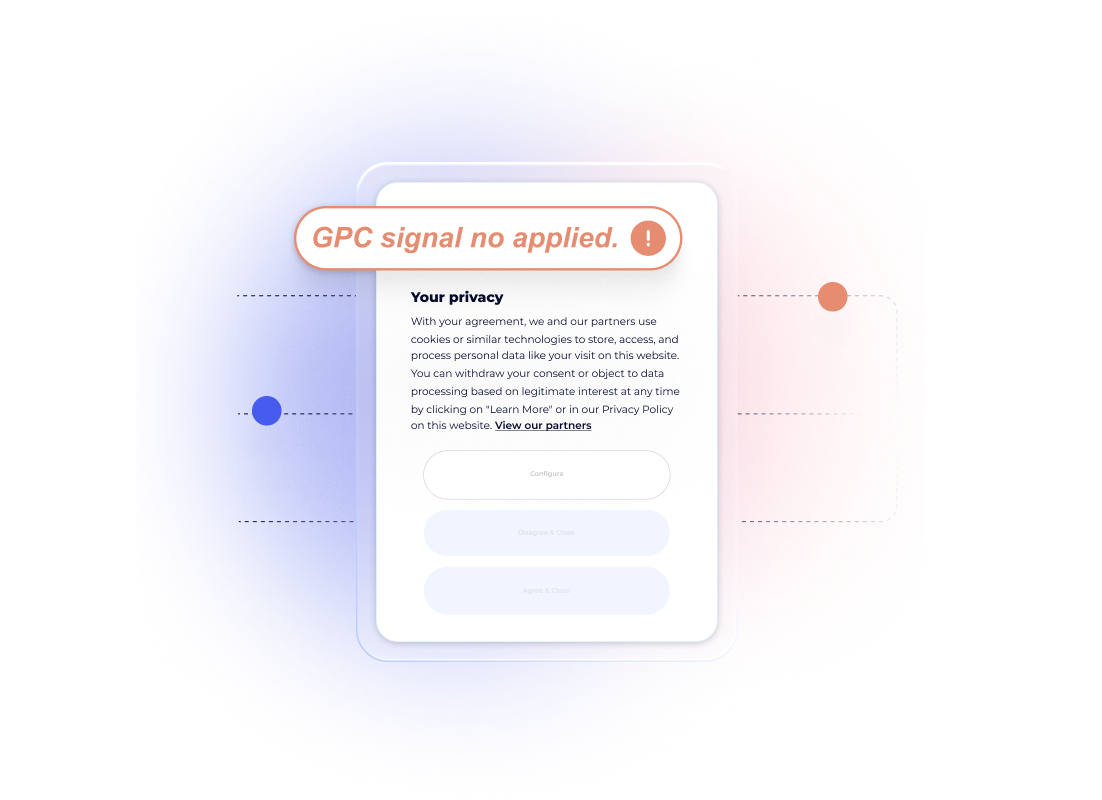
• Misconfigured banners or ignored GPC signals break your analytics and ad platforms costing revenue.
• 40 % of consumers say they switch brands after a bad privacy experience.
• Even server-side tracking isn’t exempt, opt-outs must propagate through your stack.
How Didomi Automation Streamlines Compliance
• Automate CCPA/CPRA notices and DSAR flows across websites, apps, and CTV.
• Detect & honor GPC signals and block non-compliant tags automatically.
• Centralize proof of consent for audits with a single source of truth.
• Preserve measurement accuracy through Consent Mode v2 integrations.
• Personalize UX for higher consent rates and brand trust.
How Didomi Can Help With CCPA Compliance
Quick demo of our Consent Management Platform


Assess
Scan site, map vendors/purposes, import current consent.
.svg)
Configure
Frameworks, regions, branding, GPC.
.svg)
Integrate
Google Tag Manager/Tealium, analytics, ads; block until consent.

Prove and optimize
Analytics dashboard, exports, experiments.
Why teams choose Didomi for CCPA compliance?
One platform. Every regulation. Every channel.
Built for teams who can’t afford to choose between compliance and performance.
Manage consent and preferences across web, mobile, apps, and CTV from a central dashboard, consistently.
Multi-regulation coverage
CPRA/CCPA, LGPD, GDPR, DPA, etc., ready for other US state laws, so you don’t have to worry about what’s changing next.
Google Consent Mode v2
Seamless Google Consent Mode v2 integration (protect measurement while staying compliant). Keep your analytics alive as privacy evolves.
Built to scale globally
Multi-language, multi-brand, multi-region, multi-domain setup for fast global rollout. Because scaling shouldn’t mean starting over.
Customization
Fully customizable UX to lift opt-in rates (and trust).
Advanced Compliance Monitoring
Audit-ready reporting and consent proof exports for regulators and DPOs.
Partnership level support
Highly responsive, guided onboarding, technical setup support and continuously improving your consent performance.
Why choose Didomi for your Consent Management Platform?
A global leader in consent and data privacy, our CMP helps you comply with international data privacy regulations, regain your customers' trust, and generate revenue.
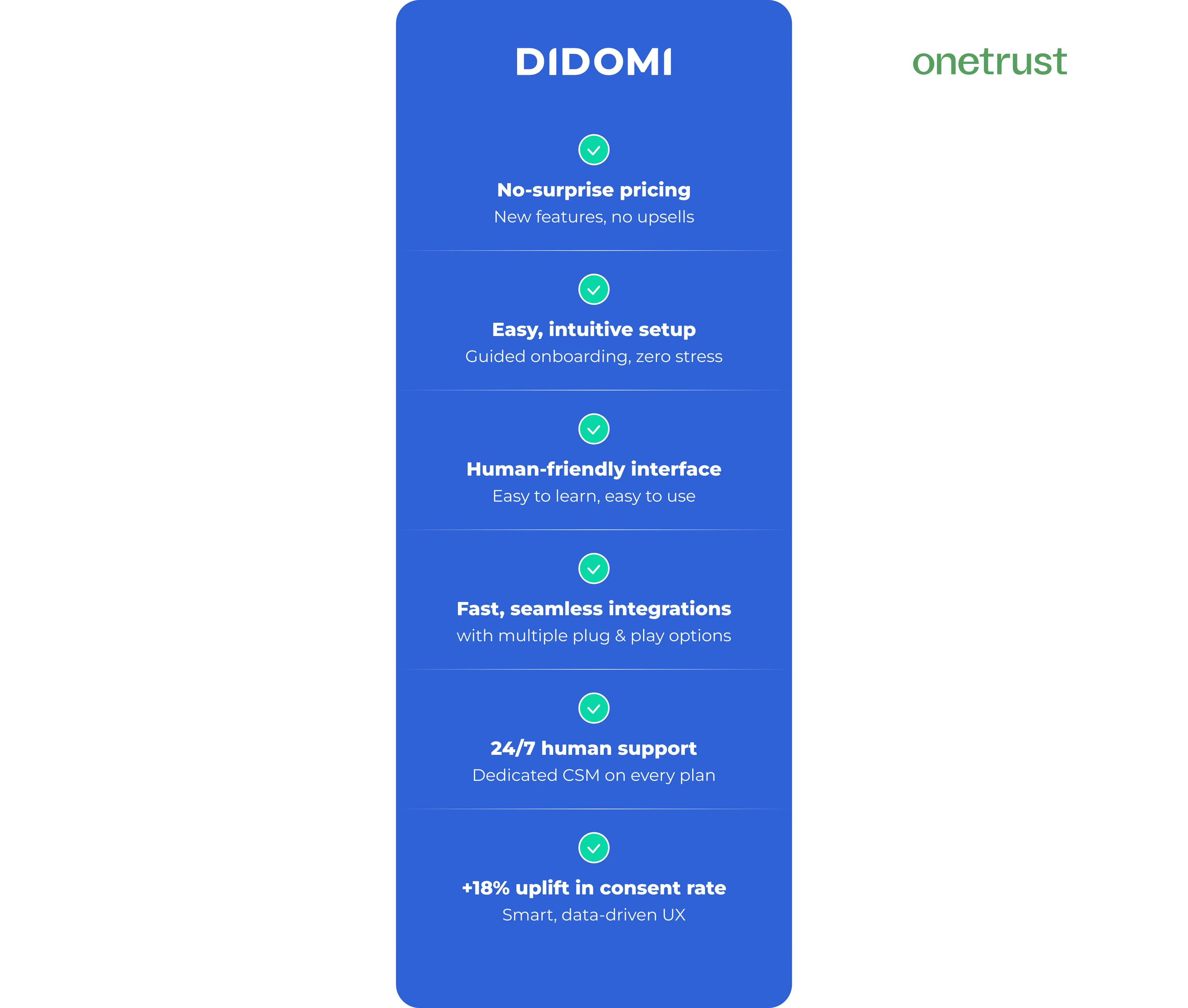

Why companies opt for betterconsent management with Didomi

Lead tracking at Europcar
%20(1).svg)
Web Analytics Project Manager

10%lower latency
Analytics & CRO Team Lead
Experience built-in privacy for modern, revenue-driven teams

A 30-minute conversation to cover how Didomi privacy unblocks teams and supports revenue growth
A live demo of our products, personalized to your organization’s specific needs
All your questions answered, with no commitment
Fill out the form to talk to a Didomi expert and begin your journey.